An essential component of medicine
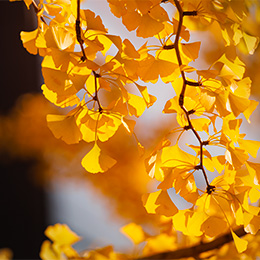
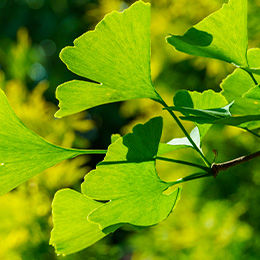
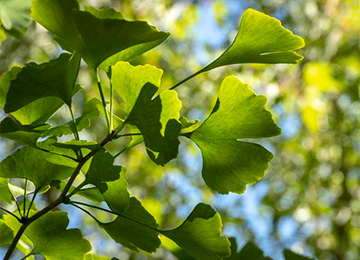
The 40-écus tree is one of the most remarkable trees on the planet; its leaf is the symbol of the city of Tokyo. With its extraordinary resilience, it was the first survivor of Hiroshima. After the explosion on August 6, 1945, the vegetation around the epicenter was studied in September of that same year. A ginkgo tree located near a temple, not far from the explosion, was the first plant to sprout in the spring of the following year. It is a species that is highly resistant to mutagenic agents.
The 40-coin tree has been used for centuries in traditional Chinese, Japanese, and Indian medicine. In Ayurvedic medicine (India), it was one of the main components of “Soma,” a natural elixir believed to grant eternal life. In Chinese pharmacopoeia, it can be used as a dietary supplement for the brain, eyes, and heart. Its leaves are also used to relieve a wide variety of ailments. It is a tree with virtually infinite benefits.
It is one of the oldest trees on the planet. In fact, it is the only surviving member of its family. It first appeared about 300 million years ago.