


Better known as the blue cypress
In its natural state, the Arizona cypress is often found scattered in small stands and does not form large forests.
It is primarily grown as an ornamental tree. It is perfect for highlighting an entrance or planted as a specimen tree at the front of a group of less structuring trees.
It has a taproot system (a single large root growing downward from the base of the plant), which allows it to anchor itself very deeply in the soil to draw water and nutrients and withstand even strong winds.
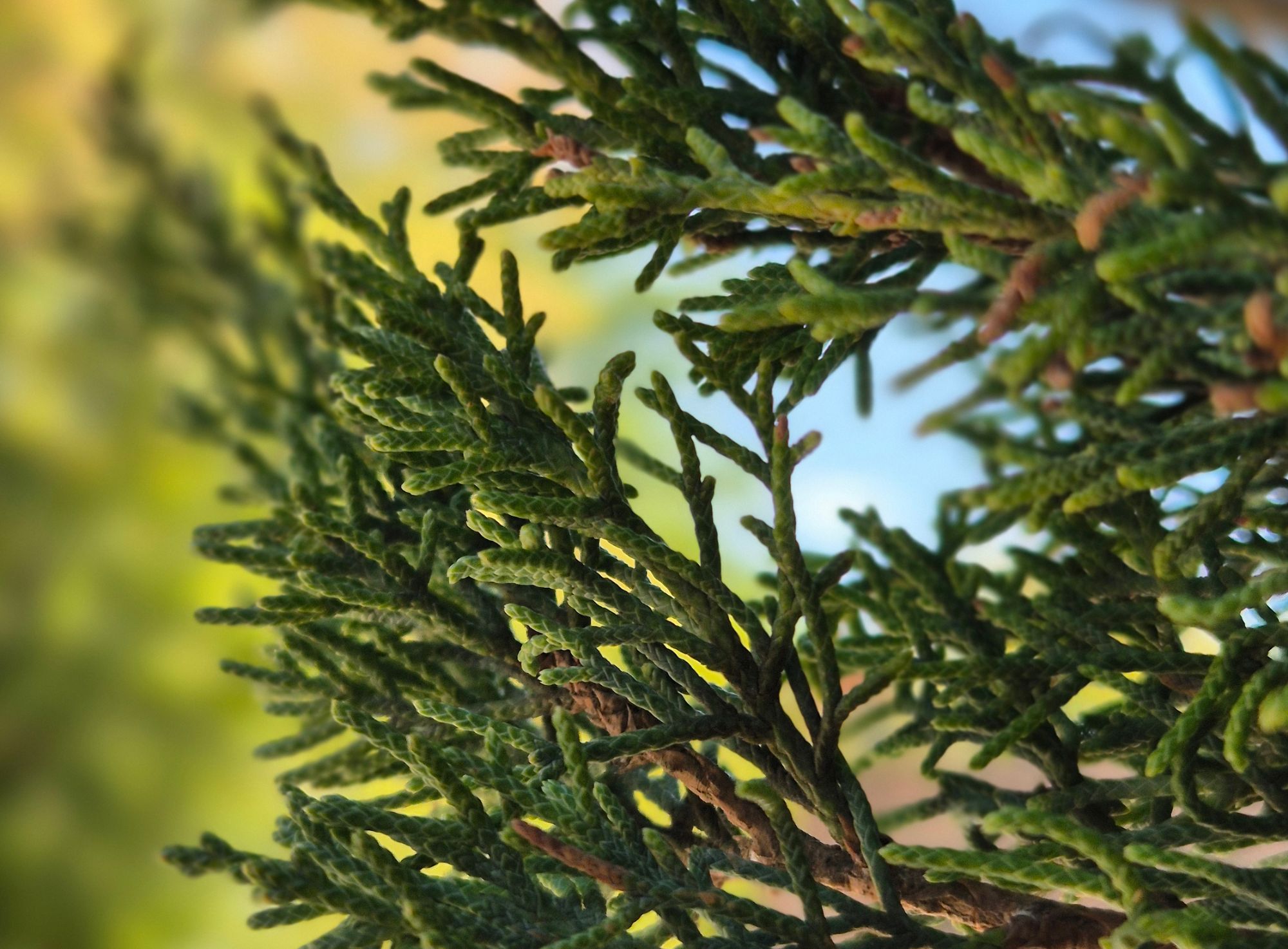
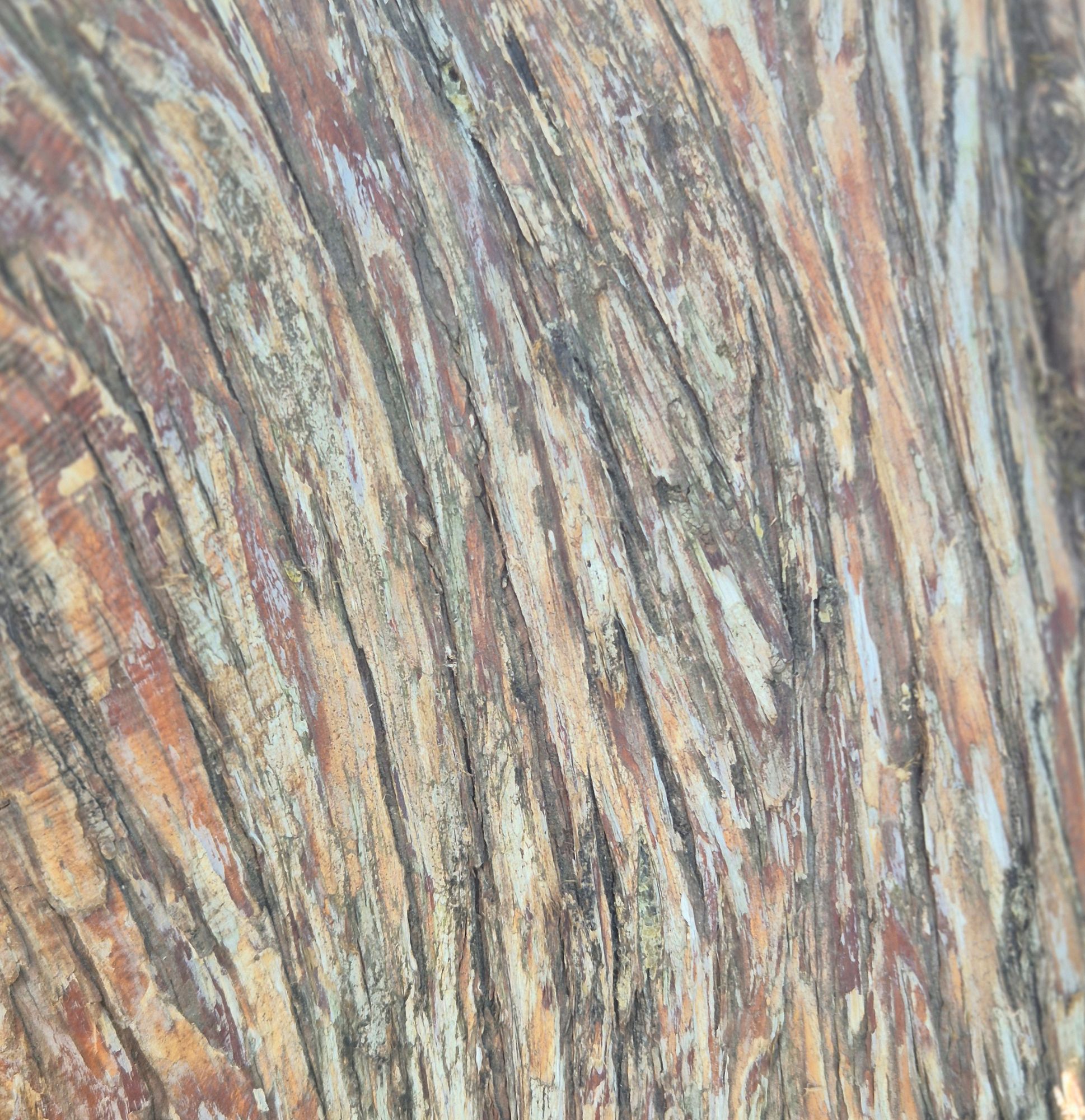
The “Glabra” subspecies (its cousin) is the most widespread in Europe; it is native to central Arizona. It is characterized by foliage with a more bluish hue.

It should not be confused with Cupressus glabra, which was widely planted as hedges in gardens during the 1980s. The former is apparently much less susceptible to cypress canker and the diseases that are decimating its cousin.
