58 results
-
![]()
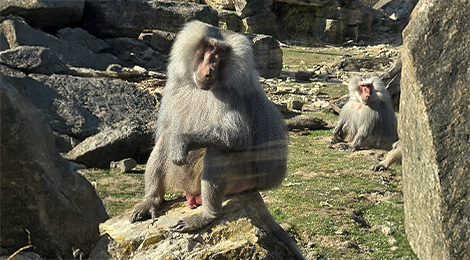
Hamadryas baboon
Hamadryas baboons live in groups averaging around 50 individuals. -
![]()
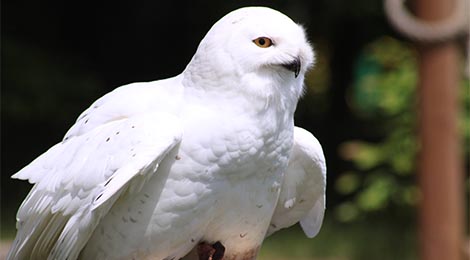
Snowy owl
Although the distinction between the male and female specimens of most raptors is not obvious at first glance . -
![]()
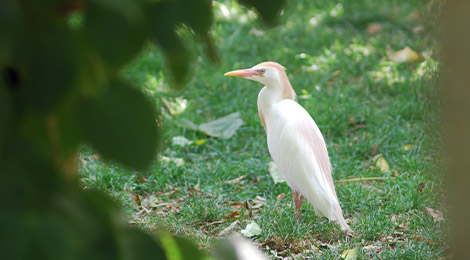
Cattle egret
The cattle egret is a wader that has breeding plumage and winter plumage. -
![]()
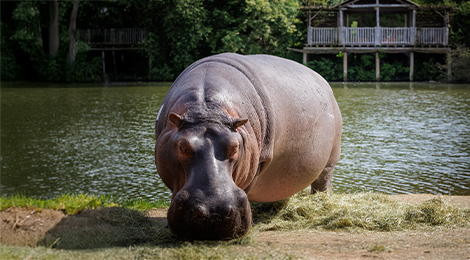
Hippopotamus
The hippopotamus spends most of its time in water, as its skin loses moisture too easily in the dry air. -
![]()
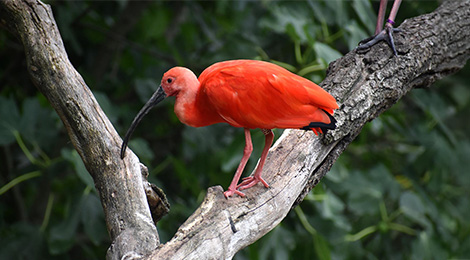
Scarlet ibis
Reproduction takes place at the height of the rainy season, from March to July. -
![]()
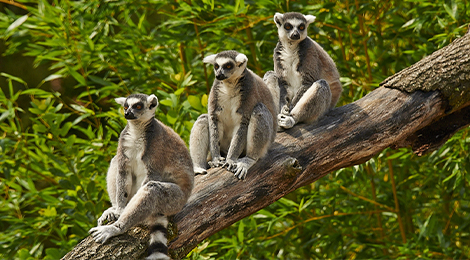
Ring-tailed lemur
The ring-tailed lemur is a social animal that lives in groups of between 12 and 24 individuals. -
![]()
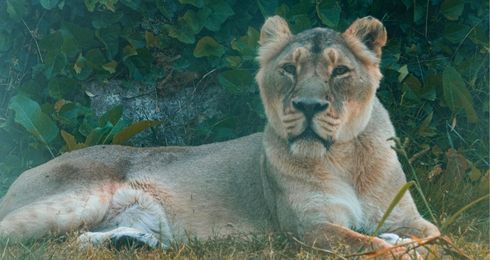
Asiatic lion
The Asiatic lion differs slightly from its African relative. Its head is less bulky and its mane less dense, especially on the top of its head. -
![]()
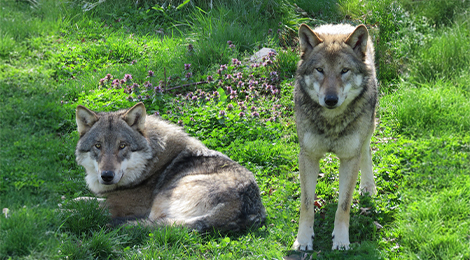
European wolf
The European wolf is a carnivore that lives in packs in the forests and steppes of Eurasia. -
![]()
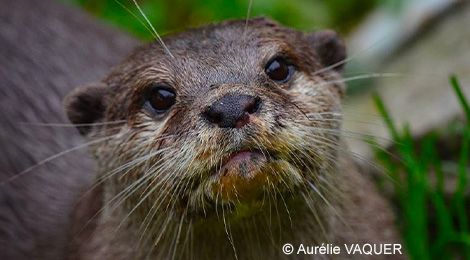
Oriental small-clawed otter
The oriental small-clawed otter is an aquatic mammal covered in thick waterproof fur. -
![]()
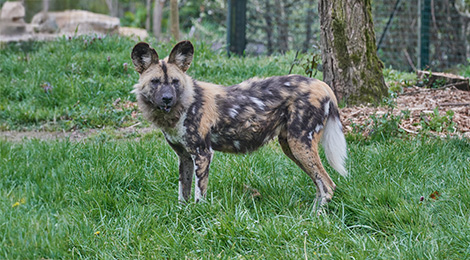
African wild dog
African wild dogs live in packs of up to 30 individuals. Each pack has a clear hierarchy, with one dominant male and one dominant female. -
![]()
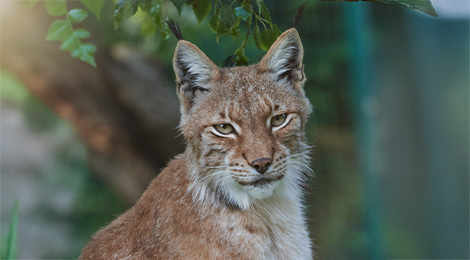
Eurasian lynx
The Eurasian lynx is a solitary animal that hunts by getting as close to its prey as possible without being detected. It uses the vegetation or any -
![]()
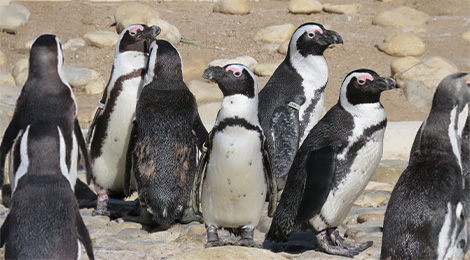
African penguin
The African penguin, like all penguins, is a seabird characterised by its adaptability to the aquatic environment.